When to See a Cardiologist: Warning Signs and Checkup Timing
Know when to see a cardiologist. See the symptoms that may signal a heart attack, the risk factors that call for early checkups, and how often to go.

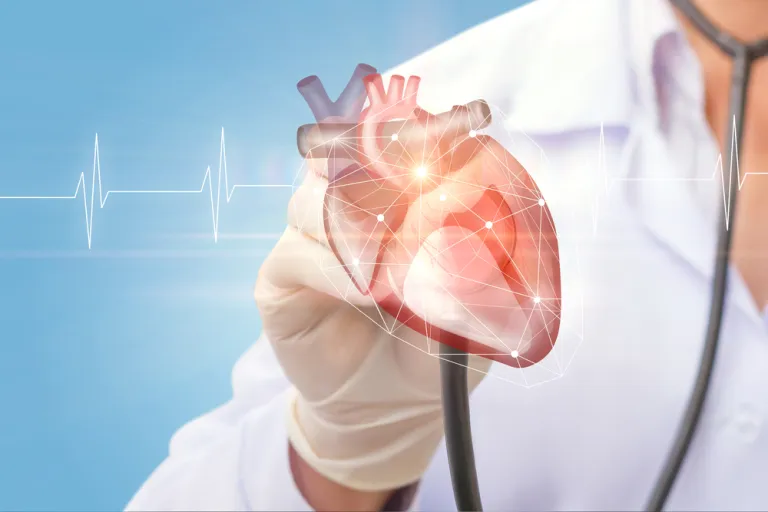

The heart is one of the most vital organs in the human body. Located in the chest cavity, it pumps blood to every part of the body. If the heart stops working, life stops with it. That is why keeping your heart healthy and having it checked regularly are so important.
Unfortunately, many people do not realize that a heart checkup should be done at least once a year. The purpose is early detection, in case your heart has a problem. Some people do not even recognize that they are having a heart attack. Instead of seeing a cardiologist, they dismiss chest pain as an ordinary "masuk angin" (a common Indonesian term for a cold or upset stomach).
When Should You See a Cardiologist?
Several risk factors mean you should have your heart checked as early as possible. They include smoking, a family history of heart disease, high blood pressure, blood cholesterol, and blood sugar levels.
If your cardiologist finds that your heart is in good condition, your next checkup can be a year later. If the results show an abnormality, heart checkups can be done every six months.
You should also see a cardiologist right away if you have any of the following symptoms, which may indicate a heart attack:
- Shortness of breath.
- A heartbeat that feels irregular.
- Dizziness and weakness.
- Severe chest pain that spreads to other parts of the body, such as the arm, jaw, throat, and back.
- Getting tired easily.
- Chest pain or breathlessness shortly after strenuous physical activity, such as exercise.
What to Do Before You See a Cardiologist
If you plan to see a cardiologist, it is important to prepare a few things, including funds for the visit. It is also important to gather as much detail as possible about the symptoms you or your relative are experiencing. Sometimes patients are too weak to give this information themselves, so other family members should already know the symptoms the patient has had.
Also be sure to collect information such as the patient's medical history, family medical history, lifestyle, diet, exercise routine, smoking habits, and even the conditions of the surrounding environment. All of this matters in the anamnesis (the doctor's initial medical interview), because it gives the doctor a basis for a correct and accurate diagnosis.
Always take care of your heart, and be sure to have regular checkups at a heart hospital such as Heartology Cardiovascular Center, which has an experienced team of specialist doctors, for a better and healthier life.