Glycemic Index of White Rice vs. Brown Rice Explained
Compare the glycemic index of white rice and brown rice, see how each affects blood sugar, and learn how to lower the GI of the rice you eat.

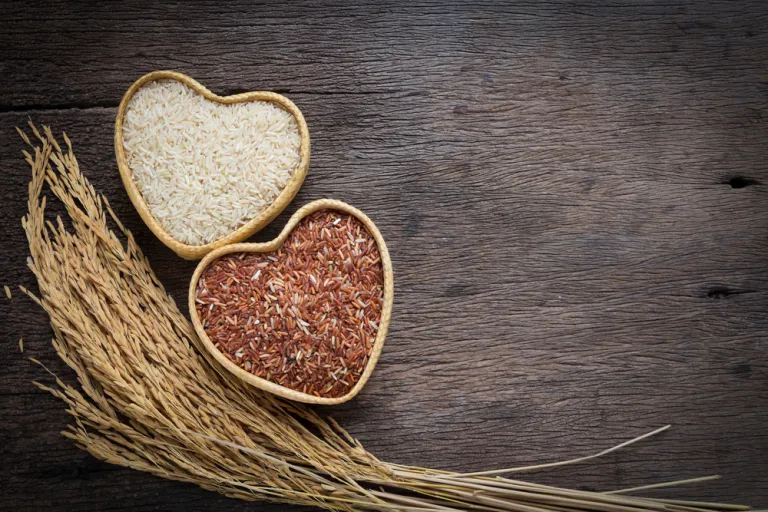
Rice is a staple food woven into everyday life across Indonesia. From Sabang to Merauke, it is the main source of carbohydrates, whether white or brown. But beyond its role as an energy source, rice also affects health, particularly blood sugar levels. One indicator often used to judge how a food affects blood sugar is the glycemic index (GI). So how do white rice and brown rice compare? This article takes a close look at the differences between the two and what they mean for your body.
Contents
What Is the Glycemic Index?
The glycemic index is a measurement system that shows how quickly the carbohydrates in a food are converted into glucose in the blood. The GI scale runs from 0 to 100, with pure glucose as the reference point at 100.
- Low GI (≤ 55): The food is digested and absorbed slowly, so blood sugar rises more steadily.
- Medium GI (56–69): The food has a moderate effect on blood sugar.
- High GI (≥ 70): The food is digested quickly and causes a sharp spike in blood sugar within a short time.
GI is an important indicator for people who want to keep their blood sugar in check, such as people with diabetes, people with insulin resistance, and those following a specific diet program.
Glycemic Index of White Rice
White rice has a fairly high glycemic index, ranging from 70 to 89 depending on the type of rice and how it is cooked. The softer the rice is cooked, the higher its GI, because a soft texture speeds up digestion.
Milling and polishing white rice removes the bran layer and the germ (the core of the grain), which contain fiber, vitamins, and minerals. As a result, white rice is low in fiber and is digested more quickly by the body. This is why white rice causes a blood sugar spike in a short time.
Glycemic Index of Brown Rice
Unlike white rice, brown rice still has its bran layer and germ, so it contains more fiber, B vitamins, and antioxidants. The glycemic index of brown rice ranges from 50 to 65, which falls in the low to medium GI category.
Because of its higher fiber content, brown rice is digested more slowly and helps slow the absorption of glucose into the blood. This makes brown rice friendlier to blood sugar levels, and it is recommended for people with diabetes as well as those who want to manage their weight.
Why the Difference in Glycemic Index Matters
The gap in glycemic index between white rice and brown rice is especially important for:
- People with type 2 diabetes: Eating high-GI foods can cause blood sugar spikes and worsen the condition.
- People with insulin resistance: A high GI can trigger excessive insulin release.
- People on a diet: Low-GI foods keep you full longer and help control appetite.
- Preventing metabolic syndrome: A low-GI diet can lower the risk of high blood pressure, obesity, and other metabolic disorders.
Long-Term Effects of White Rice vs. Brown Rice
White Rice:
- Blood sugar spikes: The simple carbohydrates in white rice are digested quickly and raise glucose levels sharply.
- Risk of insulin resistance: Eating too much can make the body less responsive to insulin.
- Higher diabetes risk: Studies show that eating white rice more than 3–4 times a day is correlated with a higher risk of type 2 diabetes.
- Short-lived fullness: Because it is low in fiber, the fullness from white rice fades faster, which encourages excess calorie intake.
Brown Rice:
- Better blood sugar control: High fiber slows glucose absorption.
- Helps maintain weight: It keeps you full longer.
- More nutritious: It contains magnesium, B-complex vitamins, and natural antioxidants.
- Heart-friendly: The phenolic compounds in brown rice bran have anti-inflammatory effects that benefit cardiovascular health.
How to Lower the Glycemic Index of Rice
For both white and brown rice, the glycemic index can be influenced by how the rice is prepared and served. Here are a few tips for lowering the GI of rice:
- Don't overcook it: Cooking rice until it is too soft raises its GI because it makes it easier for enzymes to digest.
- Use the cooling method: Chilling cooked rice in the refrigerator and then reheating it can produce resistant starch, which slows digestion.
- Pair it with protein and healthy fats: Eating rice with fish, chicken, eggs, avocado, or high-fiber vegetables can reduce the blood sugar spike.
- Control your portions: Even though brown rice is the better choice, eating too much of it can still have negative effects.
Which Is Better: White Rice or Brown Rice?
Judged by glycemic index, fiber content, and long-term health benefits, brown rice clearly comes out ahead of white rice, especially for people managing their blood sugar or aiming for a healthy diet.
That said, white rice can still be eaten safely as long as it is:
- Eaten in controlled portions
- Combined with balanced side dishes
- Alternated with other complex carbohydrates
For people who are not yet used to the taste and texture of brown rice, the switch can be made gradually, for example by mixing white and brown rice in one dish until your palate adjusts.
Conclusion
The glycemic index is an important indicator of how quickly a food affects blood sugar. White rice, with its high GI, can cause a rapid spike in blood glucose, while brown rice produces a slower, steadier response. That makes brown rice the healthier choice, especially for people with diabetes, people with a sedentary lifestyle, or those following a diet program.
Still, the key remains a balanced diet and an active lifestyle. By choosing the right kinds of carbohydrates and managing portions wisely, we can keep enjoying rice as part of a healthy life.