How Heart Bypass Surgery Works at a Heart Hospital
Heart bypass surgery treats blocked coronary arteries with a graft. See what happens before, during, and after the procedure at a heart hospital.

Heart bypass surgery is a procedure doctors perform to treat patients whose coronary arteries are blocked or narrowed. Surgeons graft a new blood vessel taken from another part of the body. So how does the full procedure work at a heart hospital? Here is an overview.
Before Bypass Surgery
Patients who will undergo heart bypass surgery are asked to complete a series of tests. This step is essential because the results help doctors judge whether the patient is ready and what surgical risks they may face. These tests include blood tests, urine tests, and an electrocardiogram.
Doctors will also ask patients to follow a few instructions, such as sticking to recommended foods and stopping certain medications. Every instruction should be followed closely so the bypass surgery can go smoothly and safely.
As the surgery approaches, doctors will also ask the patient to fast for 8 hours, usually starting the night before. This matters because it keeps the patient from vomiting during anesthesia and prevents stomach contents from being inhaled into the lungs during intubation.
Steps During Surgery
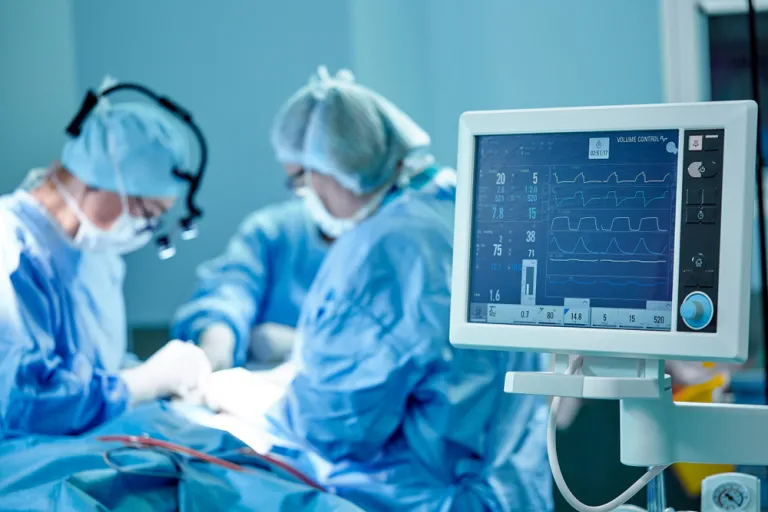
Before the operation begins, doctors at the heart hospital check the patient's blood pressure, oxygen levels, and breathing function. Once everything is stable, they connect the patient to a ventilator. Next, the medical team makes an incision along the chest as the main access point.
The breastbone is also opened so that the patient's heart becomes visible. At the same time, another surgeon harvests a blood vessel from elsewhere in the body to use as the graft. This vessel usually comes from the calf or the arm, and the choice is made with careful consideration.
During the operation, doctors also give a special medication to stop the heart. A machine connected to the heart's large blood vessels takes over the blood supply to the rest of the body. When everything is ready, the new blood vessel is grafted in place. Once that is done, the heart is shocked so it starts beating again.
After Bypass Surgery
When the operation at the heart hospital is finished, the patient is moved to the intensive care unit (ICU). In this phase, the medical team continuously monitors vital signs such as heart rate, oxygen levels, and blood pressure. The ventilator stays in place until the patient can breathe well on their own, which is indicated by the ability to cough.
Now that you know the stages a patient goes through in heart bypass surgery, keep in mind that the procedure is common for treating coronary heart disease, but that does not mean you can give up healthy lifestyle habits. Remember the saying that prevention is better than cure, and put it into practice.
Read Also: When Is the Right Time to Visit a Specialist Heart Hospital?