How to Treat an Open, Pus-Filled Skin Wound at Home
Learn open wound care at home: the main types of open wounds, seven steps for treating a pus-filled wound, and the warning signs that mean seeing a doctor.

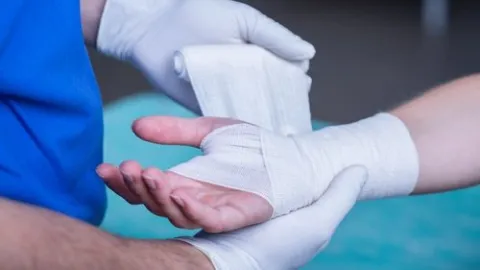
In everyday life, your body can get scraped or cut by accident. The culprit might be a knife, a needle, a razor, or some other sharp or pointed object. The resulting open wound often looks minor and may even heal on its own without treatment. But if you are unlucky, an open wound can become infected and start to form pus.
For people with Peripheral Artery Disease and those with Diabetes Mellitus, a wound is a particular worry, because healing generally takes much longer for them.
Types of Open Wounds
In general, the way to clean any open wound is the same. Still, it helps to know which types of open wounds exist.
- Avulsion wounds: open wounds caused by the skin and underlying tissue being torn. They usually result from explosions, gunshots, or fairly serious accidents.
- Puncture wounds: these are most often caused by pointed objects such as needles and nails.
- Laceration wounds: open wounds that appear as light scratches. When they are deep, they usually have an irregular shape. Many people get this type of wound from being cut by a knife.
- Abrasion wounds: open wounds caused by skin scraping against a hard, rough surface, such as when you fall off a motorbike and hit the asphalt.
How to Care for an Open, Pus-Filled Skin Wound
You can often care for an open, pus-filled skin wound yourself at home. If your wound is fairly severe, however, you may need medical help from the nearest health facility.
Here are the steps for caring for an open, pus-filled skin wound:
- Wash your hands so they are sterile and free of germs and bacteria.
- If the wound is bleeding, gently press on it with sterile gauze.
- Promptly rinse the wound under clean running water, then dry it right away.
- Apply an antibiotic cream.
- For the part of the wound that has pus, apply a compress using warm water and a warm cloth.
- Always keep the wound from getting wet or damp.
- Do not try to force the pus out of the wound.
You can follow the steps above at home on your own. However, if you notice signs such as fever, red swelling, a foul-smelling wound, or heavy bleeding, see a doctor right away. These can be signs of an infection if it is not treated promptly. Before following the steps above, make sure your hands are always clean and sterile.
You can consult and make an appointment with Dr. Adisaputra Ramadhinara, a wound care specialist who now practices at Heartology. He is a wound care specialist physician who earned the title Certified Wound Specialist Physician (CWSP) from the American Board of Wound Management, and he became a Certified Wound Care Trainer through the Initiative Chronische Wunden ICW e.V in Hamburg, Germany, in 2018.
Make an appointment with Dr. Adisaputra on this page: https://heartology.id/dr-adisaputra-ramadhinara