How Work From Anywhere Reshapes Big Cities and Communities
Work from anywhere impact on cities: how WFA changes housing, mobility, local economies, social life and the environment in big cities and nearby communities.

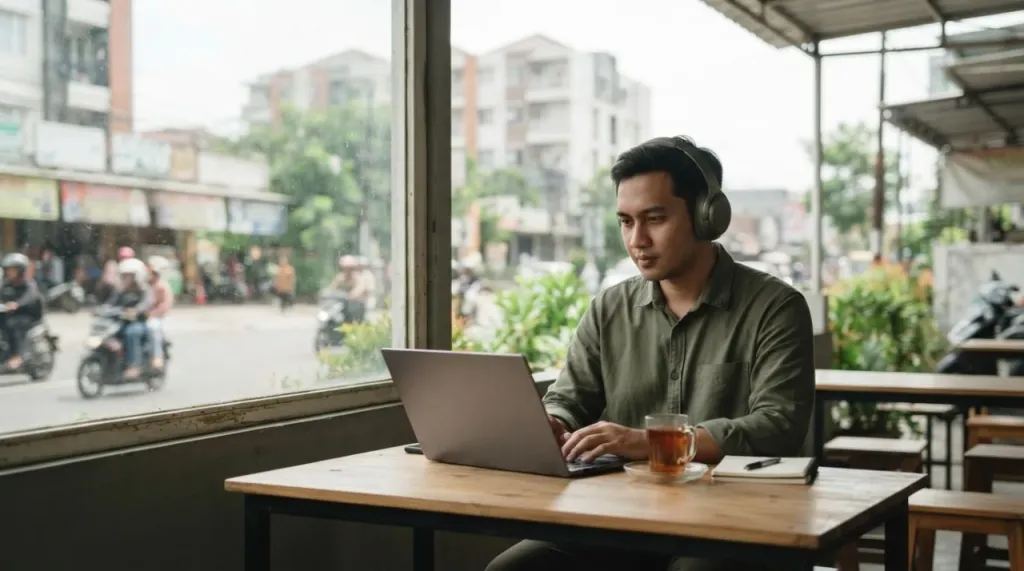
Work from anywhere (WFA) has fundamentally changed the urban landscape, with varied effects on big cities and local communities around the world. From shifts in housing to the revival of local economies, the WFA trend has sparked significant changes in how we work, interact, and live in urban areas.
Contents
Introduction
The digital era has transformed the way we work. One of the biggest trends to emerge is work from anywhere (WFA), in which people can do their jobs from anywhere in the world with an internet connection. While it gives workers remarkable flexibility, the trend also has a significant impact on the big cities and local communities where those workers live.
1. Changes in Housing and Communities
WFA workers are often no longer tied to a specific location for their jobs, which means they can choose where to live based on their needs and preferences. This has changed housing patterns, with many WFA workers moving to more affordable suburbs or even to quieter small towns.
Big cities such as San Francisco and New York have seen property prices fall in their centers, as many WFA workers leave crowded, expensive urban areas for larger, more affordable living space on the outskirts. At the same time, some small towns and rural areas that were once overlooked are now experiencing a revival, as WFA workers arrive in search of quieter, more natural surroundings.
2. Shifts in Mobility Patterns
By working from anywhere, WFA workers no longer face long daily commutes to the office. This has eased pressure on transportation infrastructure in big cities by reducing traffic volume during rush hour. There are also less welcome effects, however, such as lower demand for public transportation and a drop in the revenue tied to it.
In response to the WFA trend, some major cities, including Amsterdam and Copenhagen, have increased investment in cycling infrastructure and other eco-friendly transportation. This not only reduces congestion and air pollution but also makes the city greener and healthier for all its residents.
3. Revitalizing Local Economies
On the other hand, the WFA trend has opened new opportunities for local economies. Many workers spend their days in cafes, restaurants, and coworking spaces near their homes. This boosts revenue for local businesses and creates a new ecosystem for creativity and collaboration.
In cities such as Austin and Portland, thriving WFA communities have become a source of new innovation and creativity. Local companies have begun to recognize this potential by offering services and products tailored to WFA workers, from coworking facilities to fast, reliable food delivery.
4. Social and Cultural Challenges
Despite the many benefits of WFA, social and cultural challenges have also emerged. For example, losing face-to-face interaction at the workplace can lead to social isolation and lower mental well-being for some people. In addition, the adoption of new technology and changes in how we work can widen the digital divide and deepen the gap between those who have access and those who do not.
To address these challenges, some big cities have introduced programs that help WFA workers meet and interact. Initiatives such as local networking events, book clubs, and arts and crafts classes have helped build strong, supportive communities in an increasingly digitally connected world.
5. Environmental Conservation
With less need for long-distance travel and less excessive office use, the WFA trend also has a positive effect on the environment. Lower carbon emissions from transportation and energy savings from more efficient use of offices are important contributions to environmental conservation.
Some big cities have seized this opportunity by increasing investment in renewable energy and eco-friendly transportation. By promoting sustainable lifestyles and improving access to open space and nature, they hope to create a more balanced and sustainable environment for all their residents.
Conclusion
Work from anywhere (WFA) has changed the traditional paradigm of how we work and live in big cities. Given its broad impact on urban dynamics and local communities, it is important to keep monitoring the trend and to adjust city policies and infrastructure as needed. That way, we can make the most of the benefits of WFA while addressing the challenges that arise, creating big cities that are more inclusive, sustainable, and eco-friendly.