Broiler Chicken Farming for Beginners: 3 Essential Tips
Broiler chicken farming for beginners: learn three essentials, from coop location and chick selection to feeding, plus why vaccination matters.

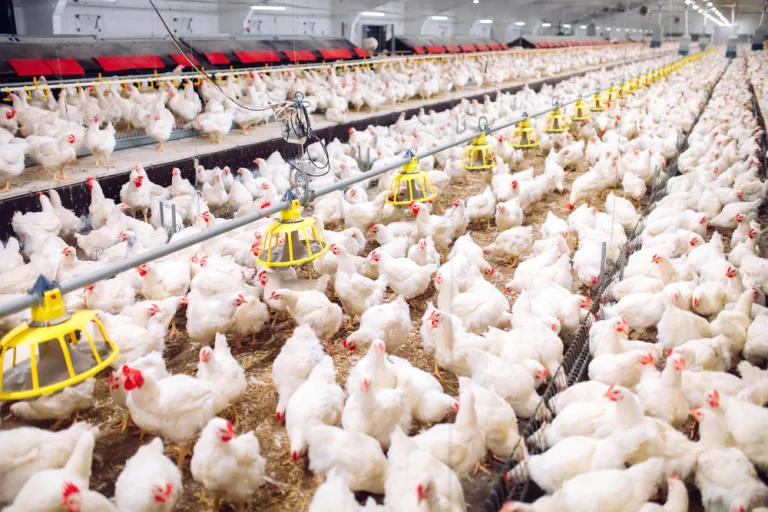
"Ayam potong" is the Indonesian term for broiler chickens raised for their meat. Demand for broilers rises from year to year, and prices climb at certain times of the year because so many people want them. Demand grows even more in the run-up to and during Ramadan, since many households serve broiler chicken for iftar (the meal that breaks the fast) or for saur (the pre-dawn meal). Many people also use chicken as the side dish in boxed rice meals served as takjil (light snacks for breaking the fast), so prices are sure to be high.
For anyone who wants to get into broiler farming, the weeks before Ramadan, as it is now, are an ideal time. The short time to harvest lets farmers recover their capital quickly, and together with high prices, this gives them a decent profit.
Broiler Chicken Farming Tips for Beginners
Tempting as it sounds, raising broilers is not as easy as it looks, because of the nature of the birds themselves. Broilers are more prone to disease than native free-range chickens (ayam kampung), and a technical mistake can have serious consequences, especially for beginners. Newcomers need enough knowledge before they start. Here are the key things beginners should pay attention to:
Coop Location
The first thing to consider is where to put the coop. A poor choice of location can cause problems later. The best site for a broiler coop is far from residential areas. If the coop must be close to homes, the farmer needs to take the amdal (environmental impact assessment) into account. Many residents dislike living near a poultry farm because of the waste it produces. If the farmer can guarantee that waste is handled properly, the community is unlikely to object.
Choosing the Chicks
The next thing beginners must pay attention to is choosing the chicks. Why does this matter? The better the quality of the chicks, the higher the chance they will survive to harvest. Poor-quality chicks have low viability, because broilers are prone to stress and disease. When chicks are stressed, their appetite drops, even though feed is essential to keeping them healthy.
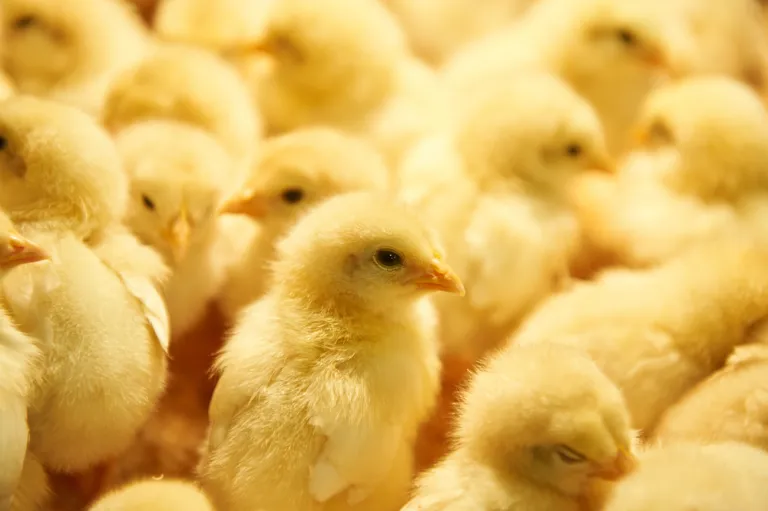
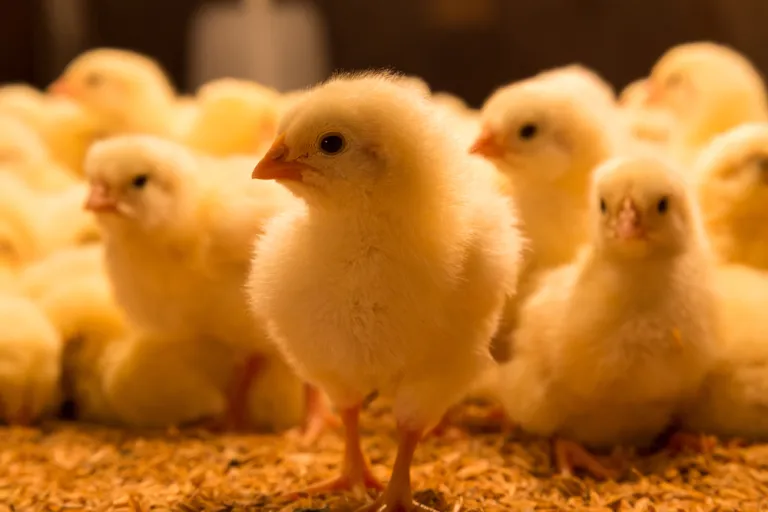
Quality broiler chicks are lively, with clear eyes, a loud chirp, an upright body, symmetrical wings, and legs that do not limp. To get good chicks, beginners can buy from large-scale farms or from partnership companies. A core partnership company (perusahaan inti kemitraan) not only takes applications to raise chickens under its partnership system but also sells sapronak, the production supplies farmers need.
Proper Feeding
Another essential for beginners is proper feeding. Feed is a key factor in the success of broiler farming. The more nutritious the feed, the faster the chickens grow and develop. Feeding also has to be done correctly: matched to the chickens' age, given in the right portions, served on time, and with drinking water never interrupted.
Why Vaccination Matters for Broilers
Beginners who want to raise broilers should not forget vaccination. Vaccines are a preventive measure that keeps broilers from catching diseases easily. Some diseases cannot be cured but can be prevented with vaccines. Broiler vaccination must be complete and given in stages. The more broilers that stay alive, the more can be harvested and turned into income for the farmer.
Those are the key things beginners should know about raising broiler chickens. We hope this information is useful.
Read also: 6 Signs of a Good Layer Day-Old Chick (DOC) You Should Know