Backyard Egg Laying Hen Farming: Tips for Beginners
Planning a home laying hen farm? These egg laying hen farming tips cover location, market, breed choice, feed supply and flock health.

If you want to start a backyard egg laying hen business, you can't simply set it up overnight. You need a solid plan for everything the business will require. Here are some tips to consider before you begin:
Prepare a suitable farm location
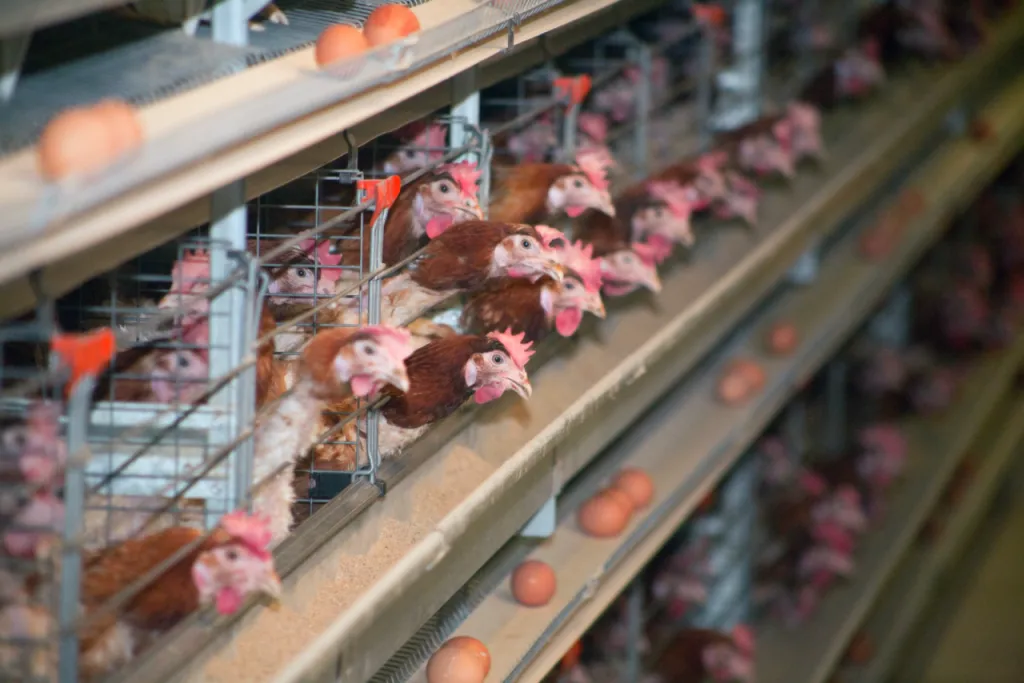
A backyard laying hen operation doesn't mean you can raise hens just anywhere. You still need a suitable location. If you have a fairly large empty plot at home in a quiet setting, it may work well as the site for your small egg farm. Make sure the location has an adequate water supply and makes it easy to get feed for your hens. If the space is limited, you can use a stacked (tiered) cage system so that it can still house all of your laying hens.
Read also: Choosing a Suitable Location and Land for a Poultry Farm
Prepare thoroughly
Before you decide to start an egg farm, you should at least have your preparations in order, including capital, cage location and other upkeep costs. Another thing that needs careful planning is your target customers. If you are aiming at middle and lower income buyers, you can sell your eggs at traditional markets. If you want to reach higher-end customers, you can start targeting modern retail such as supermarkets or minimarkets. Your ability to break into a wider market also depends on the quality of your eggs. So make sure the eggs from your farm are of good quality and can hold their own against those from large laying hen farms.
Choose the right type of laying hen
Two types of laying hens are widely known in egg farming: light laying hens and medium laying hens. Each type has its own strengths and weaknesses, and you can choose the one that suits your backyard farm better. Light laying hens are white and highly productive, laying up to 260 eggs per year, but they are very sensitive to noise and hot weather, which can affect their egg production. Medium laying hens, which are brown, lay fewer eggs, but their eggs are larger than those of the white light hens.
Read also: Characteristics of Laying Hen DOCs (Day-Old Chicks) You Should Know
Buy feed from a supplier
When you start an egg farm, you also need to plan for feed. It makes sense to buy from a supplier that can provide continuous chicken feed deliveries, so you always have enough on hand. Buying from a supplier is also relatively cheaper than buying from livestock feed stores.
Pay attention to flock health
Another thing you should not overlook is the health of your laying hens. A hen's health has a major effect on how many eggs she produces. Many egg farmers have gone bankrupt because their hens got sick. To keep your hens healthy, it helps to prevent disease through regular vaccinations and to keep the cages clean by removing droppings often. To boost the hens' immunity, antibiotic injections can also be given.