How to Start Catfish Farming: A Beginner's Complete Guide
Learn catfish farming for beginners: pond site and setup, water quality, fry selection, feeding, disease prevention, marketing and finances in seven steps.

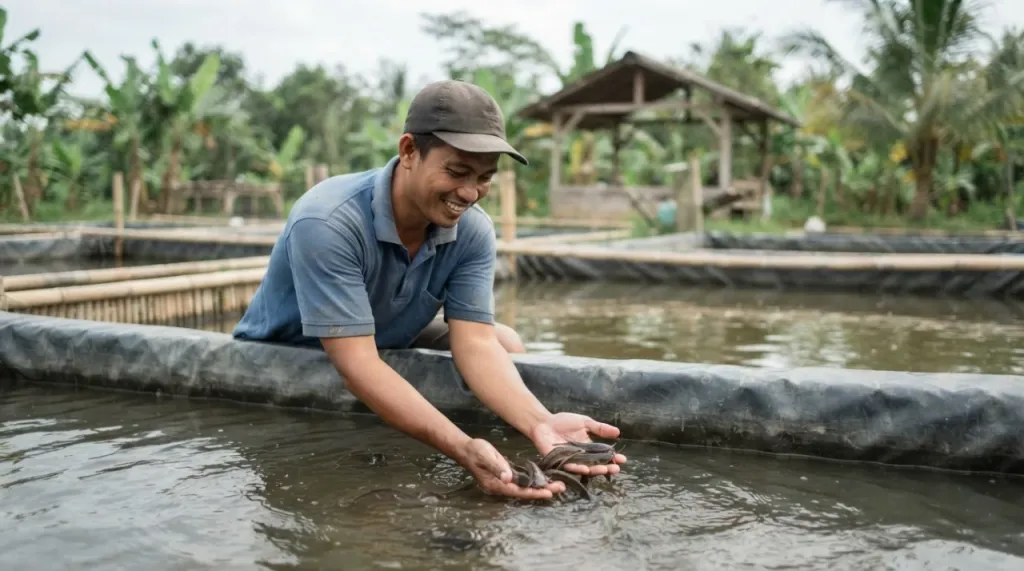
Catfish farming is a promising livestock business, especially for beginners who want to enter agribusiness. Its advantages include fast growth, good adaptability to the environment, and strong market demand. This article offers a complete guide to catfish farming for beginners, from initial preparation to strategies for running a successful operation.
Contents
1. Choosing the Location and the Pond
Choosing the site and designing the pond are the first crucial steps in starting a catfish farm. Key points to consider:
- Accessibility: Make sure the site is easy to reach and has supporting infrastructure, including access to clean water.
- Good Drainage: The pond should be designed for effective drainage, preventing standing water that can affect the health of the fish.
- Depth: Match the pond depth to the needs of the catfish. Some catfish varieties need different depths depending on their growth stage.
2. Pond Preparation and Water Quality Maintenance
After choosing the site and designing the pond, the next step is to prepare the pond and keep the water quality suited to the needs of the catfish:
- Cleaning and Preparing the Pond Bottom: Clear the pond of debris and weeds, and make sure the bottom is flat and even.
- Maintaining Good Water Quality: Monitor water quality regularly, including temperature, pH, dissolved oxygen, and ammonia levels. Keep these parameters within their optimal ranges.
- Choosing a Good Water Source: Pick a clean, pollution-free water source to avoid health problems in the fish.
3. Selecting and Caring for Quality Catfish Fry
Choosing quality fry is an important step toward good growth and productivity. Points to keep in mind:
- Choose a Suitable Variety: There are several types of catfish, such as Sangkuriang catfish, Dumbo catfish, and local catfish. Choose the one that fits the goals of your business.
- Select Healthy Fry: Choose fry that are active, healthy, and disease-free. Fry from a trusted hatchery reduce the risk of disease.
- Quarantine the Fry: Before adding fry to the main pond, quarantine them first to make sure they are clean and healthy.
4. Proper Feeding
Nutrition is key to managing a catfish farm. Proper feeding can speed up growth and increase production. Here are some things to keep in mind:
- Quality Feed: Use high-quality feed with nutrition that matches the needs of the catfish at each growth stage.
- Feeding Schedule: Set a regular feeding schedule. Consistent feeding helps the catfish grow.
- Monitoring Health: Watch how the catfish respond to feed. If they eat less or show other abnormalities, check their health right away.
5. Environmental Control and Disease Prevention
The health of the environment strongly affects catfish growth and productivity. Some aspects to watch:
- Pond Temperature Control: Keep the pond temperature within a range suited to catfish growth. Avoid sudden temperature swings.
- Disease Prevention: Apply preventive measures such as quarantining fry, keeping the pond clean, and protecting the fish from predators.
- Regular Health Monitoring: Check the health of the catfish regularly. If you see signs of disease, take the necessary preventive or treatment action right away.
6. Marketing and Financial Management for a Catfish Business
To succeed in catfish farming, an understanding of marketing and financial management is also essential:
- Marketing Your Catfish: Define your target market and develop an effective marketing strategy. Use social media or local connections to promote your catfish.
- Sound Financial Management: Record all expenses and income related to the business. Good financial management helps you make the right decisions for growth.
- Expand Your Business Network: Build partnerships with local traders, supermarkets, or restaurants to increase your market share and boost sales.
7. Updating Your Knowledge and Networking
In an ever-evolving agribusiness world, it is important to keep your knowledge current and build connections with fellow catfish farmers and experts in the field:
- Attend Seminars and Workshops: Take part in catfish farming seminars or workshops to get the latest information and the best strategies for running your business.
- Join a Catfish Farmers' Community: Join a community of catfish farmers, either local or online. Sharing experience and information with fellow farmers can be very valuable.
Conclusion
Catfish farming is a promising business, especially for beginners with determination and enough knowledge. By following this complete guide, you can start and run your catfish farm more effectively. Remember that success in this business takes persistence, consistency, and a commitment to keep learning and growing as the livestock industry develops. Good luck with your catfish farm!