Common Water Heater Installation Mistakes and How to Avoid Them
Learn the most common water heater installation mistakes, from power load and grounding to ventilation and testing, and how to avoid them at home.

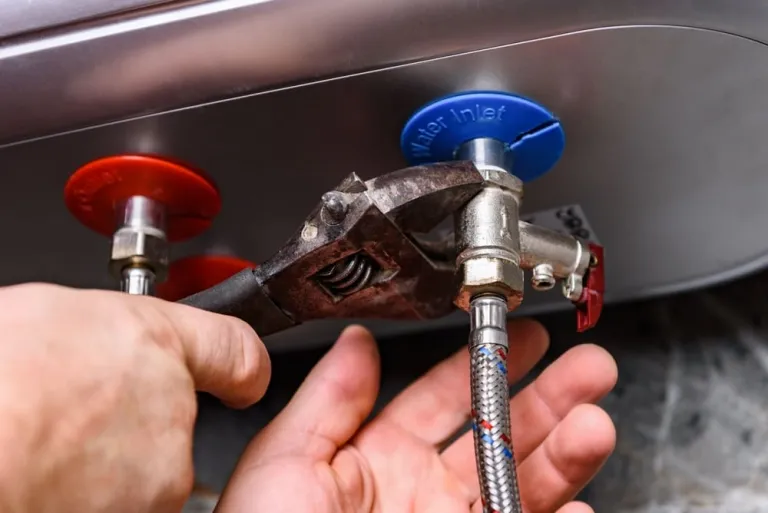
A home water heater is now a household necessity, especially for a more comfortable shower. Yet many units fail early, electricity bills climb, and safety risks appear because of installation errors. The problem is that these mistakes often go unnoticed, since installing a water heater looks simple. In reality, an installation that does not meet standards can hurt performance and household safety for years.
This article covers the most common installation mistakes with a Wasser water heater and other home units, with technical explanations and the consequences of each, so it can serve as a guide before or after installation.
Water Heater Installation Mistakes
Installing a Water Heater Without Calculating Electrical Capacity
One of the most common mistakes is installing an electric water heater without matching it to the home's electrical capacity. Many people simply install a high-wattage unit without adding up the total load running at the same time.
The result is frequent power drops, an MCB (miniature circuit breaker) that trips easily, or cables that overheat. Over time, this can speed up damage to the home's wiring and raise the risk of fire. Ideally, a water heater runs on a dedicated circuit with its own MCB and ELCB (earth leakage circuit breaker) so the load stays controlled and safe.
Not Using Proper Grounding
Grounding is often treated as a minor detail, yet it is a crucial element of water heater installation, especially for electric models. Many homes install a water heater with inadequate grounding or none at all.
Without grounding, leakage current from the heating element has no path to the earth. This is very dangerous because it can cause electric shock while the water is in use. Grounding must meet technical standards, using a dedicated grounding cable connected to the home's earthing system, not simply attached to a pipe or the building frame.
Placing the Water Heater Too Close to Wet Areas
Another mistake is placing the water heater too close to a water source or an area that is often splashed. Some installations even put the unit directly above the shower with no extra protection.
Even if a water heater is designed to be water-resistant, prolonged exposure to excess water can damage electrical components, speed up corrosion, and shorten its service life. The ideal spot is a dry, well-ventilated area that is easy to reach for maintenance, set a safe distance from direct water spray.
Plumbing That Does Not Match Water Pressure
Many cases of unstable water temperature actually come from plumbing errors. Hot and cold water pipes are often installed without considering the home's water pressure, the pipe diameter, or the direction of flow.
These errors lead to inconsistent hot water, weak pressure, or even a water heater that works too hard. The plumbing should match the unit's specifications, including heat- and pressure-resistant pipes and safety valves to regulate water flow.
Ignoring the Pressure Relief Valve
The pressure relief valve is often overlooked during installation, especially on storage water heaters. Some installers skip it entirely, while others fit it but do not route the discharge properly.
This component releases excess pressure inside the tank. If it does not work properly, pressure can build up enough to damage the tank or cause a serious leak. Ideally, the discharge pipe from the valve is routed to a safe drain so the hot water that comes out does not endanger anyone in the home.
Choosing the Wrong Installation Location
Another frequent mistake is choosing the location based only on looks or ease of installation, without considering technical factors. One example is placing the water heater too far from the bathroom or other hot water outlets.
As a result, hot water takes a long time to reach the tap, which wastes water and increases energy use. The right location is close to the main points of use, with the shortest possible pipe run to keep efficiency high.
Overlooking Ventilation on Gas Water Heaters
For gas water heaters, the most dangerous installation mistake is poor ventilation. Many units are installed in enclosed spaces without an exhaust or an adequate flue for combustion gases.
This can allow harmful gases such as carbon monoxide to build up indoors. A gas water heater installation must ensure good air circulation, include a flue or exhaust that meets standards, and avoid cramped spaces with little air.
Installing Without Additional Safety Features
Some installations skip extra safety features such as an ELCB, a safety thermostat, or an automatic temperature sensor. These components are designed to cut off electricity or gas when a fault occurs.
Without this protection, the risk of overheating, short circuits, or temperature spikes is higher. A proper installation does not rely on the water heater alone but also on supporting systems that keep operation safe under different conditions.
Hiring an Inexperienced Technician
Installation errors also happen because the work is done by a technician who does not understand water heater standards. Some general technicians focus only on the physical installation and overlook technical specifications and safety.
The result is an installation that looks tidy on the outside but hides problems that surface later. Choosing a certified technician, or one recommended by the manufacturer, can significantly reduce the risk of installation errors.
Skipping Post-Installation Testing
Many water heaters are put into use right after installation without thorough testing. This step is essential to confirm there are no leaks, the temperature runs normally, the pressure is stable, and the safety systems work.
Testing should include checking the electrical current, the water flow, the thermostat response, and the condition of the pipes after the first few uses. Without testing, small problems can slip through and grow into major damage.
Ignoring the Manual and Product Specifications
Every water heater has different specifications and installation requirements. Yet many users and technicians ignore the manufacturer's manual and rely on habit or assumption.
This leads to an installation that does not meet factory standards, which can affect performance and safety and can even void the warranty. Reading and following the installation guide is a simple but crucial step to make sure the water heater performs well from day one.
Proper Installation Determines a Water Heater's Lifespan
A water heater is more than a device that heats water. It is a system that involves electricity, water, and safety. Even a small installation error can have a big impact on comfort, cost, and household safety.
By understanding these common mistakes and avoiding them from the start, users can keep their water heater more efficient, longer-lasting, and safe over the long term. A proper installation is not just about mounting the unit. It is an investment in the comfort and safety of everyone in the home.