Metro Ethernet: A Fast, Reliable, Flexible MAN Network
Learn how Metro Ethernet works, from fiber, copper and wireless transport to EPL, EVPL and EMS services, plus its main uses and outlook in Indonesia.

Metro Ethernet is a metropolitan area network (MAN) built on the Ethernet standard. It is typically used to connect customers to a larger service network or to provide internet access.
Metro Ethernet has several advantages over other MAN technologies, such as:
Contents
- Speed: Metro Ethernet can deliver speeds of up to 100 Gbps, faster than other MAN technologies such as ATM or Frame Relay.
- Reliability: Metro Ethernet uses Ethernet technology, which has a proven record of reliability and resilience.
- Flexibility: Metro Ethernet can be configured for a range of needs, from point-to-point connections to multipoint connections.
Metro Ethernet Technology
Metro Ethernet uses Ethernet technology to connect points within a metropolitan area. Ethernet is a networking technology widely used for local area networks (LANs). It has several advantages, such as:
- Speed: Ethernet can deliver speeds of up to 100 Gbps.
- Reliability: Ethernet is a proven, reliable and resilient technology.
- Flexibility: Ethernet can be configured for a range of needs.
Various transport technologies are used to connect points within a Metro Ethernet network, such as:
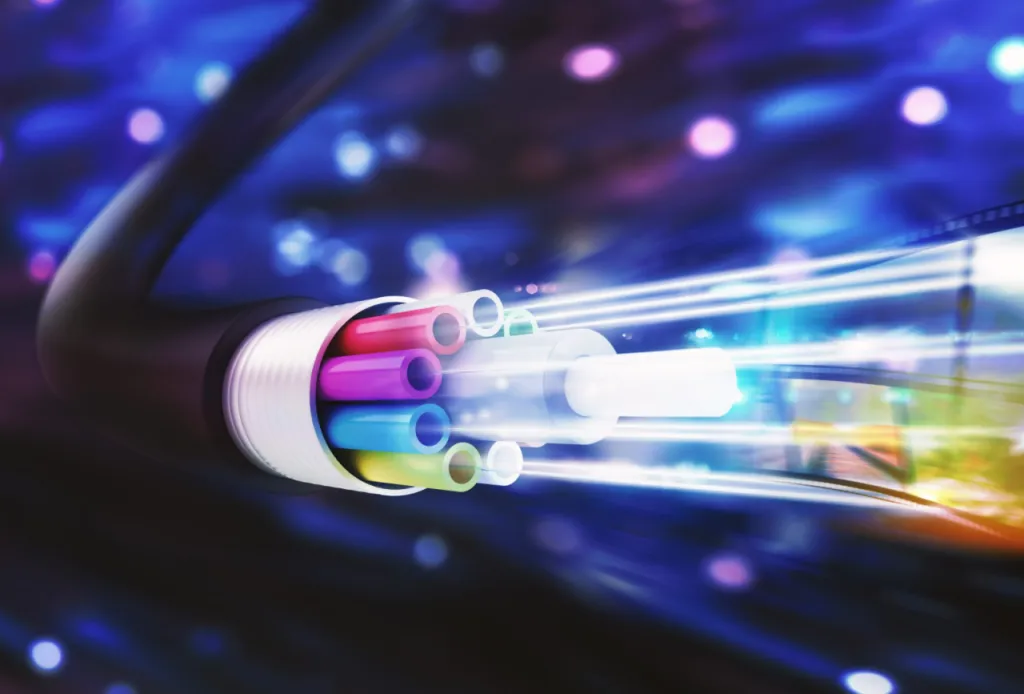
- Fiber optic: Fiber optic is the most common transport technology for Metro Ethernet. Its strengths are high speed and long reach.
- Copper: Copper is a cheaper transport technology than fiber optic. It is usually used to connect points that are relatively close together.
- Wireless: Wireless is a transport technology that can connect points that are far apart or cannot be linked by cable.
Metro Ethernet Architecture
Metro Ethernet consists of two main components:
- Core network: The core network is the part of the network that connects the main points of the network. It typically uses fiber optic technology to deliver high speeds.
- Access network: The access network is the part of the network that connects customer sites to the core network. It can use various transport technologies, such as fiber optic, copper or wireless.
Types of Metro Ethernet Services
Metro Ethernet can be used to provide various types of services, such as:
- Ethernet Private Line (EPL): EPL is a service that provides a point-to-point connection between two points. EPL is typically used to connect branch offices or dispersed locations.
- Ethernet Virtual Private Line (EVPL): EVPL is a service that provides a virtual point-to-point connection between two points. EVPL is typically used to connect customers to the internet or to other service networks.
- Ethernet Multipoint Service (EMS): EMS is a service that provides a multipoint connection among several points. EMS is typically used to connect customers to television or data service networks.
Benefits of Metro Ethernet
Metro Ethernet has several benefits compared with other MAN technologies, such as:
- High speed: Metro Ethernet can deliver speeds of up to 100 Gbps, faster than other MAN technologies.
- High reliability: Metro Ethernet uses Ethernet technology, which has a proven record of reliability and resilience.
- High flexibility: Metro Ethernet can be configured for a range of needs.
Conclusion
Metro Ethernet is a fast, reliable and flexible MAN technology. It can be used for a range of needs, from point-to-point connections to multipoint connections.
Examples of Metro Ethernet Use
Here are some examples of how Metro Ethernet is used:
- Companies: Companies can use Metro Ethernet to connect branch offices or dispersed locations. They can also use it to access the internet or other service networks.
- Government agencies: Government agencies can use Metro Ethernet to connect government offices or to provide internet access to the public.
- Educational institutions: Educational institutions can use Metro Ethernet to connect campuses or to provide internet access to students.
Metro Ethernet Opportunities in Indonesia
Indonesia has great potential to adopt Metro Ethernet technology. This is due to the country's rapid economic growth, which has been accompanied by rising demand for fast, reliable internet and data network services.
The Indonesian government also supports the development of Metro Ethernet technology. This is evident from government policies to build modern, evenly distributed telecommunications infrastructure.
With this potential and strong government support, Metro Ethernet has a major opportunity to grow in Indonesia.