Cloud Computing Services in Enterprise IT Systems
See how cloud computing services strengthen company IT systems, and why more businesses are moving to cloud-based solutions. Here is what you need to know.

Information technology (IT) is the backbone of most modern companies. It supports nearly every part of operations, from data management to communication and application development.
Yet maintaining and managing in-house IT infrastructure can be expensive and complicated. This is where cloud computing services play an important role in strengthening a company's IT systems.
Contents
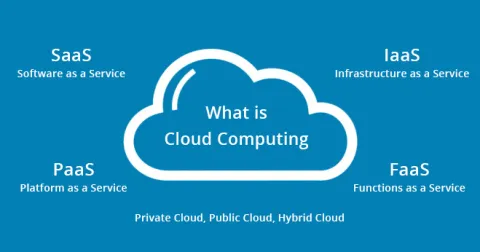
Cloud computing is a model for managing computing resources that lets companies store, manage, and access data and applications over the internet. It removes the need to buy, manage, and maintain hardware and software on site.
Instead, companies can use cloud infrastructure supplied by cloud providers such as Amazon Web Services (AWS), Microsoft Azure, and Google Cloud Platform.
This article explains how cloud computing services can strengthen a company's IT systems and why more and more companies are moving to cloud-based solutions.
Scalability and Flexibility
One of the main advantages of cloud services is the scalability and flexibility they offer. Companies can easily adjust computing capacity, storage, and other resources to fit their needs.
With cloud computing, a company can scale resources up or down quickly, without investing heavily in new hardware or signing long-term contracts.
For example, if a company's website sees a surge in traffic, it can easily add cloud server capacity to handle the extra load. Once the surge is over, it can scale that capacity back down.
This lets companies operate efficiently without paying for resources they do not use.
More Cost-Efficient Operations
Cloud computing services can also help companies save money. With a cloud-based approach, a company does not need to spend on expensive hardware, maintenance, or regular infrastructure upgrades.
Instead, it pays only for what it actually uses. This consumption-based pricing can be a big benefit, especially for companies whose usage fluctuates sharply or unpredictably.
Companies can also avoid the hidden costs that often come with maintaining traditional IT infrastructure.
READ ALSO: How to Choose an Internet Marketing Service for Small Businesses
Data Security and Protection
Data security is one of the most important aspects of managing a company's IT systems. Cloud computing services often offer a very high level of security and data protection.
Cloud providers invest heavily to make sure customer data is protected from security threats such as cyberattacks and data loss.
In addition, cloud providers often run geographically distributed data centers, so customer data can be backed up and restored quickly in the event of a disaster or system failure.
This gives companies a great deal of peace of mind, because they know their data is safe and can be accessed at any time.
Better Collaboration
Cloud computing services also enable better collaboration in a business setting. Employees can access data and applications from anywhere with an internet connection, which makes teamwork more efficient regardless of physical location. This matters even more in an increasingly connected global business world.
For example, a team with members in different locations can work together on a project without sharing files by email or running into access problems. They can edit the same document in real time, share data, and communicate through cloud collaboration platforms.
Disaster Recovery and Business Continuity
Disaster recovery is a key element of managing a company's IT systems. When a natural disaster or hardware failure strikes, a company must be able to restore its operations quickly.
Cloud computing services let companies easily back up their data to secure, distributed data centers. If a disaster occurs, the data can be restored quickly, and the company can resume operations without too much disruption.
Many cloud providers also offer services that support business continuity. This means companies can move their applications and data to a cloud environment that keeps running well in an emergency, so business operations continue even through a serious disruption.
Easier Management
Cloud computing services also make IT infrastructure easier to manage. Companies no longer need to worry about hardware procurement, maintenance, monitoring, and upgrades.
The cloud provider handles all of these tasks, so the company's IT team can focus on developing applications and more strategic solutions.
In a cloud environment, resource management becomes more automated, so companies can quickly respond to changes in demand and optimize how they use their resources.
A More Eco-Friendly Environment
Beyond the business benefits, cloud computing services also have a positive impact on the environment. By using highly optimized shared infrastructure, companies can reduce their carbon footprint.
Cloud providers often invest in green energy and energy-efficiency technology, which helps cut power consumption and carbon emissions.
With a cloud-based model, companies can also avoid buying and discarding outdated hardware. This reduces electronic waste and its harmful environmental impact.
Challenges You May Face
Although cloud computing services have many benefits, companies may also face some challenges. They include:
- Data Security: Although cloud services are often very secure, companies need to make sure they manage access and permissions correctly and follow data security best practices.
- Dependence on the Cloud Provider: Companies will depend on their cloud providers, so choosing the right provider and negotiating a good contract are essential.
- Network Availability: Companies need a reliable internet connection to access cloud services, so network problems can become an issue.
- Uncontrolled Costs: If not managed well, cloud costs can spiral out of control. Companies need to monitor usage and manage resources wisely.
Conclusion
Cloud computing services are a powerful tool for strengthening a company's IT systems. They provide the scalability, flexibility, security, and cost efficiency that companies need to compete in today's digital era.
Although there are challenges to overcome, the benefits of adopting cloud computing are substantial. Companies should therefore consider adopting cloud services as part of their IT strategy to ensure long-term sustainability and success.