How to Choose a Marine Generator Set for Ships
Choosing a marine generator set for a ship? Learn the key factors: power rating, cooling, corrosion resistance, certification, fuel efficiency and service.

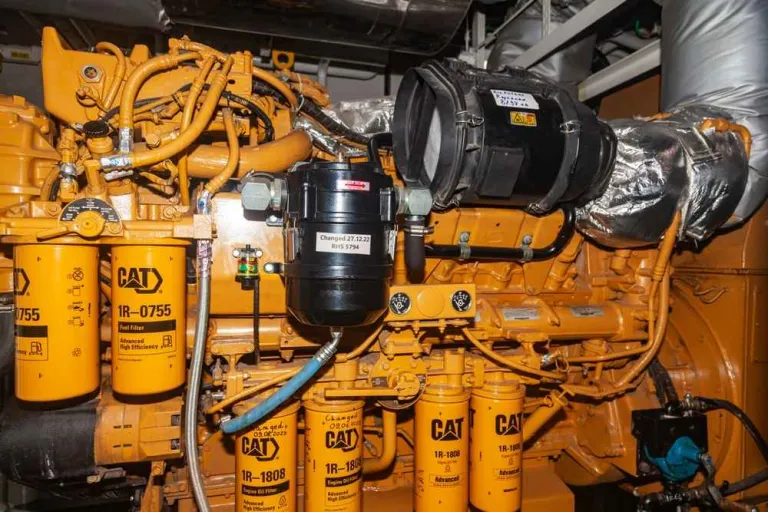
A generator set (genset) is one of the most important components in the operation of any seagoing vessel, whether it is a commercial ship, cargo ship, passenger ship, or fishing boat. The genset serves as the main source of electricity when a ship is far from land and not connected to a public power grid. Because the marine environment is very different from, and much harsher than, conditions on land, choosing a genset for a ship also means paying attention to specific requirements so it performs well and lasts. This article covers the key factors and how to choose the right marine generator set.
Contents
Why Generator Sets Matter on Ships
The electricity a genset produces on a ship powers lighting, navigation, communication systems, auxiliary machinery, and passenger comfort facilities. The genset must deliver a stable, reliable power supply and keep running in extreme conditions such as high humidity, vibration, saltwater corrosion, and temperature swings.
For this reason, marine gensets are built to strict standards that differ from those for land-based units, with durability and safety as the priorities. Selection therefore has to be very thorough and consider many technical and functional aspects.
Key Factors When Choosing a Genset for a Ship
1. Power Rating
The first thing to check is the genset's power capacity, usually expressed in kW or kVA. The capacity must match the ship's total electrical demand, including peak loads that occur at the same time. A small vessel can use a genset of 20-50 kW, while a large ship may need units rated up to several hundred kW.
Getting the capacity right matters because a genset that is overworked can have a shorter engine life and suffer damage. On the other hand, a genset that is too large is less efficient in fuel consumption.
2. Engine Type and Cooling System
Marine gensets typically use diesel engines because they are more fuel-efficient and offer high torque, which suits conditions at sea. Cooling systems on ships are also distinctive. They usually rely on water cooling with seawater or a heat exchanger so the engine stays cool even during long periods of use.
There are two main cooling types: a cooling radiator and a heat exchanger that uses seawater. The heat exchanger system is more popular because it reduces the risk of direct seawater corrosion in the engine, but it requires more intensive maintenance.
3. Resistance to the Marine Environment
The sea environment is highly corrosive and damages equipment that is not designed for it. A ship's genset must resist corrosion from salt water, heavy vibration, and temperature variation. It must also be designed to run stably in damp, rocking conditions.
Materials and coatings are important factors, including anti-rust protection and an enclosed design that keeps water out.
4. Marine Certification and Standards
A marine genset must meet strict standards and regulations from maritime authorities, such as IMO (International Maritime Organization) and SOLAS (Safety of Life at Sea) certification, as well as certification from ship classification societies such as CCS, BV, and NK.
These certifications confirm that the genset meets the safety, emissions, and performance standards required for use at sea, so it is essential to make sure the genset you choose holds official certification.
5. Control and Safety Systems
Marine gensets are usually equipped with a control panel that lets operators monitor parameters such as voltage, frequency, temperature, oil pressure, and engine speed. The control system should be easy to operate and able to trigger an alarm or automatic shutdown if a fault occurs.
These safety and protection systems are vital for preventing serious damage and keeping the genset safe to run while at sea.
6. Fuel Consumption and Efficiency
Fuel use largely determines a genset's operating efficiency. Modern diesel gensets generally use electronic fuel injection and a turbocharger to improve efficiency and cut fuel consumption.
Choosing a genset with high fuel efficiency is strongly recommended to reduce operating costs and minimize environmental impact.
7. Size and Weight
Space on a ship is very limited and must be used carefully. The genset's dimensions must therefore fit the space available in the engine room. Its weight is also a consideration because it affects the ship's stability.
A compact, lightweight genset that still has adequate capacity is the ideal choice for small to medium-sized vessels.
8. Maintenance and Spare Parts Availability
A ship's genset needs regular maintenance to stay in top condition, so easy access to spare parts and after-sales service is an important factor in the choice.
Choosing a widely available genset brand with strong service support makes repairs and maintenance easier at ports along the way.
The Selection Process for a Marine Generator Set
- Analyze Power Needs: Calculate the total electrical load, including a reserve margin, and match the genset capacity to it.
- Evaluate Engine Specifications: Choose a diesel genset with a cooling technology suited to the ship's conditions.
- Confirm Certification: Check for official maritime certificates such as IMO and SOLAS.
- Consider Efficiency: Choose an engine with electronic fuel injection and a turbocharger for better fuel efficiency.
- Check Size and Weight: Fit the genset to the available space and the ship's stability requirements.
- Choose a Trusted Vendor: Make sure after-sales service and spare parts are available.
Conclusion
Choosing a generator set for a ship is more than picking an ordinary power generator. Factors such as capacity, cooling system, corrosion resistance, marine certification, fuel efficiency, size, and after-sales service all need careful consideration. The right genset not only ensures a stable and reliable power supply, but also supports safety, cost efficiency, and the ship's operational continuity at sea.
With careful selection and regular maintenance, a marine generator set can be a dependable partner in keeping voyages and ship operations running smoothly in all sea conditions.