ERP Vendor Benefits: Efficiency, Collaboration, Innovation
See the key ERP vendor benefits: greater efficiency, stronger collaboration and faster innovation, plus the impact on productivity and user experience.

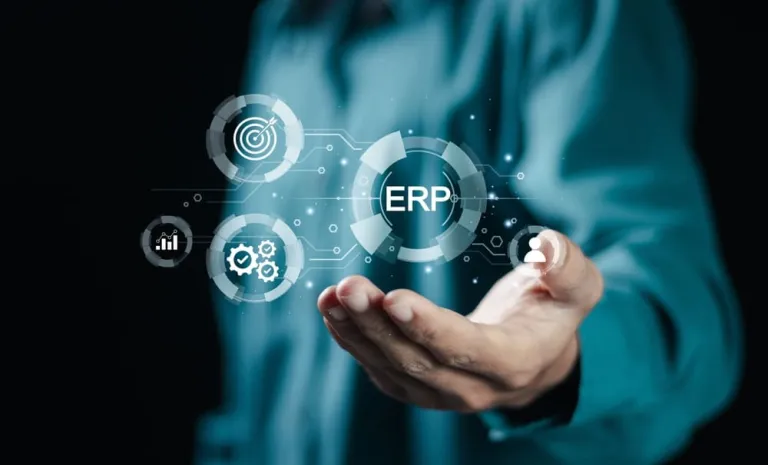
In today's increasingly dynamic digital era, companies must keep innovating and adapt quickly to market changes. One of the main ways to gain a competitive edge is digital transformation through an Enterprise Resource Planning (ERP) system. ERP is an integrated solution that brings all business functions and processes onto a single platform, making it easier to manage data, communicate and make decisions.
This article reviews the benefits of an ERP vendor across three main areas: efficiency, collaboration and innovation. It also looks at how each one improves the user experience at every level of the organization.
Contents
Digital transformation is no longer optional. It is a necessity for companies that want to survive and grow in global competition. As business operations become more complex and customer expectations rise, companies need to manage their resources in a smart, integrated way.
This is where ERP vendors play a vital role. They provide solutions that not only automate business processes, but also raise efficiency, support collaboration between departments and drive innovation across the organization. With intuitive interfaces and advanced features, an ERP system can improve the user experience, which in turn raises employee productivity and satisfaction.
Efficiency Through an ERP Vendor
One of the main advantages of an ERP system is better operational efficiency. By bringing various business processes together on one platform, an ERP vendor helps a company cut red tape and eliminate duplicate data. Here are some ways ERP implementation delivers efficiency:
1. Business Process Automation
ERP vendors provide automation features that let manual processes run on their own. Financial data processing, inventory management and reporting, for example, can be handled without heavy human involvement. This saves time and also minimizes the errors that often occur in manual work.
2. Centralized Data Integration
With an ERP system, data from departments such as sales, finance, production and HR is collected in a single central database. This integration keeps information up to date and easy for everyone who needs it to access. The benefit is critical for fast, accurate decision-making, because management has a complete, real-time picture of company operations.
3. Lower Operating Costs
An integrated ERP system also helps a company reduce operating costs. By relying less on uncoordinated systems, a company can save on excessive IT infrastructure maintenance. Automation also reduces the need for staff to handle administrative tasks, which optimizes the company's budget.
4. Faster Response Time
The efficiency ERP offers lets a company respond to market changes more quickly. Real-time data and advanced reporting allow management to adjust strategy right away when needed. This fast response is crucial for facing competition and constantly shifting market dynamics.
Better Collaboration
One of the main challenges in managing a large company is making sure all departments work together effectively. ERP vendors play an important role in improving collaboration between teams and departments through the features and integrations they offer.
1. Integrated Communication
An ERP system provides a platform that supports communication between departments. With dashboards that show data and information in real time, teams from different departments can share information more easily. For example, the marketing team can see production status or stock availability right away, so it can plan a more accurate sales strategy.
2. Project Collaboration
ERP vendors usually include collaboration modules that support project management. Features such as task management, shared calendars and notification systems help teams work in a coordinated way. Employees can easily track project progress, give feedback and complete tasks together. This greatly improves work efficiency and reduces errors caused by miscommunication.
3. Cross-Functional Integration
ERP does not only connect internal departments. It can also be integrated with external systems such as those of suppliers and customers. With this integration, a company can build an ecosystem that supports a smooth workflow among all stakeholders. For example, suppliers can access purchase requests directly, while customers can track the status of their orders. This improves transparency and also builds trust among the parties involved.
4. Cloud-Based Platforms
Many modern ERP vendors offer cloud-based solutions, so collaboration is not limited by geography. Employees working from different locations can access the system at the same time, share data and work together in real time. A cloud platform also makes it easier for a company to update the system and scale it as business needs grow.
Innovation as a Driver of Growth
As competition intensifies, innovation is an important factor in keeping a company relevant and able to compete in the global market. ERP vendors not only provide solid technology, but also drive innovation through advanced features that keep evolving.
1. The Latest Technology
ERP vendors constantly work to build the latest technology into their systems. Common innovations include artificial intelligence (AI), machine learning, the Internet of Things (IoT) and advanced data analytics. These technologies let a company gain deep insight from its existing data, identify market trends and make better strategic decisions.
2. An Improved User Experience (UX)
Innovation in user interface design is one of the main focuses of ERP vendors. An intuitive, user-friendly interface helps employees operate the system easily, which raises productivity and job satisfaction. Modern UX design not only makes information easier to reach, but also supports more dynamic interaction between users and the ERP system.
3. Flexibility and Customization
Every company has its own unique needs. Leading ERP vendors offer flexible solutions that can be customized to each organization's characteristics and workflows. This flexibility lets a company keep innovating without overhauling its entire system. A company can add new modules or integrate third-party applications as needed, supporting sustainable business growth and development.
4. Using Data for Innovation
Modern ERP systems are designed to collect and analyze large volumes of data. With real-time analytics, a company can use that data to identify new opportunities, optimize its marketing strategy and improve the quality of its products or services. Data analytics also lets a company anticipate market trends and design innovations that better fit customer needs.
5. Collaboration in Innovation
Innovation is not only about technology, but also about company culture. ERP vendors support close internal collaboration so that innovative ideas can emerge and be put into practice quickly. Through collaborative features that support brainstorming, project management and knowledge sharing, employees from different departments can create innovative solutions together that keep the company growing.
The Positive Impact of ERP Vendor Benefits
Combining efficiency, collaboration and innovation in an ERP system has a significant positive impact on a company. Here are some of the effects a company can expect:
Higher Productivity
Business process automation and centralized data integration help employees save time and make fewer errors. As a result, productivity rises significantly, because employees can focus on strategic tasks that add value for the company.
Faster, More Accurate Decisions
Real-time data integrated into the ERP system lets management make faster and more accurate decisions. With accurate information, a company can respond to market changes right away, optimize its strategy and reduce business risk.
Greater Employee Satisfaction and a Better User Experience
An intuitive user interface and well-designed collaborative features make employees more comfortable and satisfied with the system. A positive user experience directly affects employee motivation and performance, which ultimately improves the quality of the services and products the company delivers.
Operational Efficiency and Cost Savings
Automation and data integration not only improve operational efficiency, but also help reduce the costs tied to manual processes and duplicated data. Higher efficiency leads to long-term cost savings, allowing a company to allocate resources to growth and innovation initiatives.
Adaptability to Change
A flexible ERP system that the vendor keeps updating lets a company adapt quickly to technological change and market dynamics. As a result, the company stays at the forefront of innovation and can compete effectively in a dynamic business environment.
Case Study: Digital Transformation at a Manufacturing Company
To show the benefits of an ERP vendor in concrete terms, let's look at a case study of a manufacturing company. The company struggled with managing its supply chain, production and financial reporting. Before implementing ERP, its data was scattered across various systems, which slowed decision-making and caused operational inefficiency.
After partnering with a leading ERP vendor, the company integrated all its business processes onto a single platform. With process automation, management can monitor production and inventory in real time. Communication between departments improved through collaboration features, making decisions faster and more accurate. An intuitive interface also improved the user experience, leaving employees more comfortable and productive. As a result, the company gained operational efficiency, lower costs and a better ability to adapt to market fluctuations.
Conclusion
The strength of an ERP vendor lies in its ability to combine efficiency, collaboration and innovation in one centralized, integrated system. With the right ERP solution, a company can automate business processes, improve communication between departments and use data to create relevant innovations. The positive impact of ERP shows up in higher productivity, faster decision-making, strong employee satisfaction and operational efficiency that translates into cost savings.
The user experience (UX), enhanced through an intuitive interface and collaborative features, plays an important role in ensuring that all employees fully adopt the ERP system. In this sense, an ERP vendor is not just a technology provider, but also a strategic partner in a company's digital transformation. Through real-time data integration, process automation and support for innovation, ERP helps a company stay at the forefront of global competition.
In a dynamic and challenging business environment, choosing the right ERP vendor is a strategic investment. Companies that make the most of ERP will see major benefits in efficiency, collaboration and innovation, which ultimately drive growth and long-term success. The benefits of an ERP vendor are therefore a core foundation for companies that want to grow and keep innovating in the digital era.
Digital transformation through ERP is not just about replacing an old system. It is about building a work culture that is modern, integrated and responsive to change. With the right technology and close collaboration across every part of the organization, a company can become resilient, adaptive and innovative. The ability of ERP vendors to deliver smart solutions for managing company resources is the key to unlocking a business's full potential and achieving a competitive edge in the global market.