Wireless Microphone Basics: Types and How They Work
Learn the two factors that define a microphone, from conversion technology to application, and how a wireless microphone sends sound over radio waves.

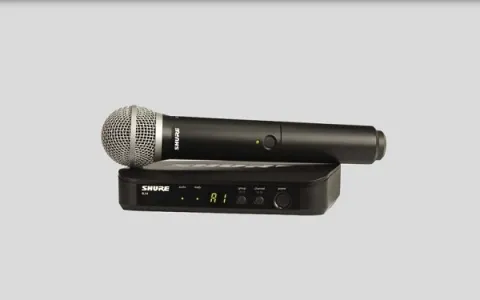
Most of you probably already know the best wireless microphone, right? This device is used at all kinds of events, from weddings and birthday parties to concerts and more. Wireless microphones are very easy to operate. Before you start, though, it helps to understand the two microphone factors below.

Factors That Define a Microphone
Microphones come in different types. In general, there are two factors you will run into in everyday life. The first is the conversion technology used. Looking at the technical method of turning sound into an electric current, you will find several different technologies inside a microphone.
The most commonly used technology is the dynamic microphone, which suits sound sources with a fairly high volume level. You will also come across condenser microphones, which are more responsive and can pick up small details. Crystal and ribbon technologies round out the list.
The second factor is the application area, or what the microphone is used for. Every microphone is designed to work effectively across a range of needs. You can also find microphones built for more specific purposes, which you can tell from their characteristics.
How to Operate a Wireless Microphone Easily
Now that you know the two factors, it is time to understand how a wireless microphone works. A microphone is a transducer, a device that converts energy from one form into another. It turns the waves in a system into pleasant sound. If you are interested in owning the best wireless mic, visit www.goshen.co.id.
A wireless microphone works by using radio waves to carry the sound signal to a receiver. The transmitter in the wireless unit operates on a radio frequency. The antenna in the mic is also mounted at the tail end of the microphone.
The way a wireless microphone works is almost the same as one that uses a cable. The difference lies in the cable. The cable on older mics could only pick up a signal over a short distance, while a wireless microphone can reach up to 100 meters. It can also be used more flexibly and freely.
In conclusion, a microphone has two factors. The first is the conversion technology used, and the second is the application area, or what it is used for. Operating one is very easy, because it uses radio waves to carry sound to the receiver.