How to Choose a Quality Sound System Mixer: 5 Key Factors
A sound system mixer is now in demand among music lovers and industry pros. Here is a guide to choosing an audio mixer that delivers quality.

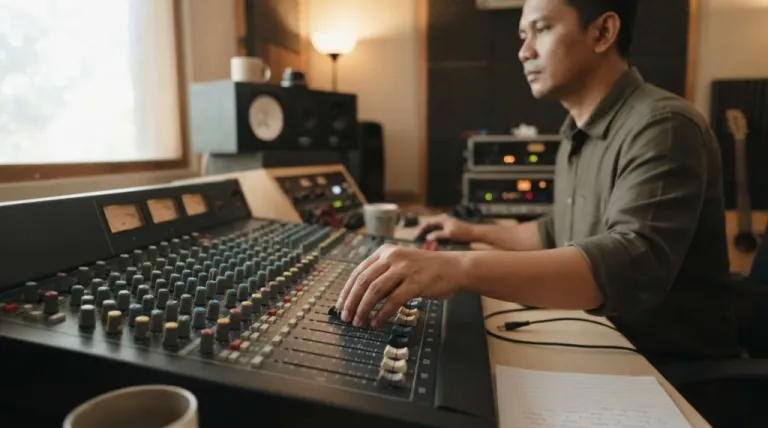
Sound system mixers are in higher demand than ever among music lovers and people who work in the music industry. The mixer is now considered a basic piece of sound system equipment, so the market offers a huge range of audio mixer types. To avoid choosing the wrong one, use the guide below to find a quality product.
A Guide to Choosing a Quality Audio Mixer
1. Inputs, Outputs and Channels
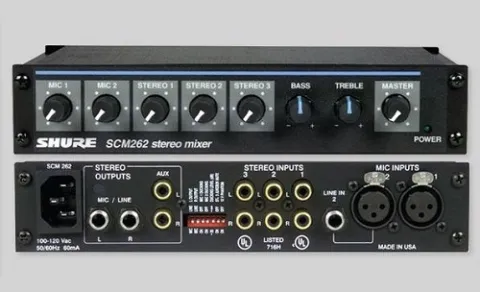
Quality sound system equipment has to meet the needs of the person using it. That is why you should check the inputs, outputs and channels a mixer offers. Start by considering how many microphones you plan to connect.
If you want to use condenser mics, you will need a mic input that supplies phantom power. This matters even more if you need to connect several musical instruments, such as a stereo keyboard. In that case, the stereo channels must be able to accommodate them.
2. How You Will Use It
The next step in choosing a sound system mixer is to consider how you will use it. Do you need a mixer for recording, for live performance, or for both at once? The answer will affect the type of mixer you should pick.
For live sound performance, make sure the audio mixer matches the sound system. The goal is for sound processing to run smoothly and give satisfying results. For recording, you need a quality mic preamp so you can connect external processors.
3. Sound Processing and Other Effects
Built-in sound processing and effects are also important and should not be overlooked when choosing an audio mixer. If you rely on an external mic preamp, effects pedals and other tone-shaping gear, this may not be critical. Still, a mixer with onboard effects can help you create a good setup when you play live.
4. EQ Capability
Next, look at the mixer's EQ capability and match it to your needs. For studio recording, for example, you generally need finer sound adjustments to get the most from the mixer. For live sound mixing, you need control over the mids, highs and bass.
5. Signal Path and Routing
Finally, consider the mixer's signal paths and routing, which strongly affect the recording process. For example, if you use the mixer to create several mixes for specific purposes, you will need more signal paths and more flexibility in effects. That includes monitor feeds, external effects and device connections.
That covers the main points for choosing an audio mixer so you end up with top-quality sound system equipment. It is best to choose a well-known brand with original products to be sure of the quality. You can find such products at Goshen Swara Indonesia, which also carries other sound system equipment besides audio mixers.